

Company News & Culture
Apr 10, 2026
Flycatcher Team
Flycatcher Founder Chris Heiler on the Diamond Hands Podcast
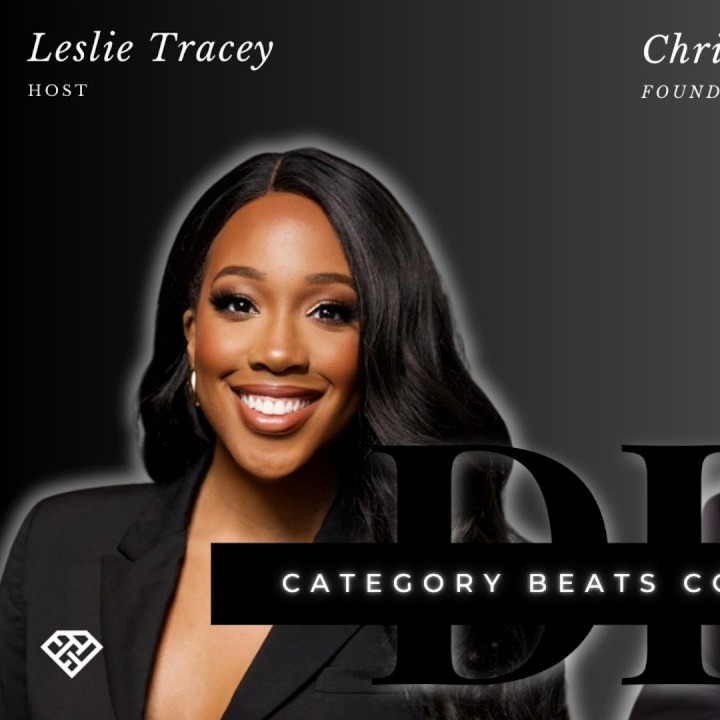
Flycatcher founder and CEO Chris Heiler sat down with Leslie Tracy of Diamond Hands Media for an episode of the Diamond Hands Podcast — a show focused on mindset, money, and marketing for founders building brands in the aesthetics industry. Chris and Leslie dig into what it's like to build a men's-only aesthetics studio from scratch, how Flycatcher approaches the client experience differently, and what the long game looks like for the brand.
From Uncomfortable Patient to Founder: How Flycatcher Was Born
Leslie Tracy: Hey, everyone, welcome back to another episode of the Diamond Hands Podcast. Today we've got something a little bit different. When you think med spa, you probably don't picture a guy named Chris calling the shots — but maybe that's the exact reason why we need to talk to him, because things are changing in aesthetics. We're really excited to have Chris Heiler. He is the CEO and co-founder of Flycatcher Men — a brand that's really stepping into men's aesthetics. His vantage point is unique. He's a male founder, founding a clinic alongside his wife, and stepping into an emerging category where many guys are still too embarrassed to talk about. We're pulling back the curtain today. Welcome, Chris.
Chris Heiler: Many guys are still using bar soap to wash their faces. That's a whole other issue in itself.
Leslie: So tell me about Flycatcher. What was that moment where you really knew you had to do this?
Chris: Well, I don't know if it was one moment, but I had my background in marketing — I have a pretty established agency — and I was kind of looking to put my time and energy into something else. And I knew I really wanted to do something that helped men. I didn't know exactly what it was; that was just kind of the big picture vision at the moment. And when I met Aurora, who's my wife — she's an esthetician and laser tech, very passionate about the aesthetics industry — I was always just very curious about learning about different industries and different businesses. She encouraged me to go to a couple places and get some treatment for sun damage. So I went to, I want to say, probably three different places over the course of maybe a year. The treatment itself was fine. It worked. But the overall experience going into these med spas as a guy — it was very uncomfortable. I'd never done it before. It was obvious to me that these places were designed for women. Men were a total afterthought from every perspective — from the treatment to how we were spoken to, the education, everything. After I went to a few of these places and I learned more about the industry from Aurora, it became pretty obvious to me that med spas are a really good business model — but you have to be differentiated if you're going to stand out, because so many of them just look alike. So that was it. It was really my own experience. And I thought, man, I could really do this better — create something comfortable for men, a space where men could go and feel really comfortable.
Leslie: Tell me a little more about the discomfort you felt going into a med spa as a man — from booking on the website to walking in the front door.
Chris: So that's a good spot to start — booking. I would not have known what treatment to look for if it wasn't for Aurora. I had the problem, I knew I had the sun damage on my face. But going to a med spa's website, I wouldn't have really known where to start or what treatment to pick. Because most websites lead with the brands — HydraFacial, BBL, CoolSculpt, all these different things. Guys don't know what those things are. So booking would have been a little difficult. Then the in-clinic experience — I feel like there's not a lot of education. A lot of women come into these places and they're already educated. They talk to each other, they do research online, they know about these treatments already. So there's not a lot of education that needs to be done up front. But a guy like me — I didn't know anything about IPL or how laser treatments worked. So when I walk in as this brand-new client, new to all of this — there was no education whatsoever. It was sign this consent form, we'll bring you back. Even the provider — no education. Just here, let's get this going. It was just a very overall uncomfortable experience. Even checking out — I remember thinking, am I supposed to leave a tip? Because when I've gotten a facial before with Aurora, I would leave a tip. But this is more medical. Do I leave a tip for this? Just that level of not knowing anything made it uncomfortable. That's why I thought if I was going to do this, I need to look at every little part of the experience.
The Flycatcher Client: Who He Is and Why He Comes In
Leslie: How do you make sure that the client experience is seamless and educational before someone even walks in the door?
Chris: We're still refining it, because there's still a lot of room where we can differentiate ourselves more and elevate that experience. But educating them before they ever come here — that's number one. A lot of the content marketing we do, whether it's the blog on our website or social media or any kind of marketing — if you look at it, it's really, I don't like to call it marketing, I call it teaching. We just try to teach these guys, whether it's about laser hair removal or treating sun damage. When they are here, Aurora does a really good job taking them through a skin analysis and talking about pigment, fine lines, all these different things. It's just educating them at every step of the process.
Leslie: Tell me about your ideal client. How do you help men balance performance, confidence, and aesthetics — and still feel masculine when they leave?
Chris: A lot of men don't even know these treatments exist, which is one problem. The ideal guy that comes in is definitely coming in on his own — not because his wife or girlfriend told him to. Our best clients are the ones who understand they have some issue they want to resolve, maybe they don't know how yet, but they're interested in resolving it. And they're committed to the process, which is typically a full treatment plan. The ideal client isn't going to be the guy that comes in and gets one SkinPen treatment. They're going to get the series of four and maybe do a series of photo facials as well. They're coming in on their own, committed to doing what we ask them to do. And they have the money to do it too — obviously that's part of it. About 80 to 90% of the guys that come in are self-employed. They own their own businesses, or they're high-level executives in sales. They're at a high point in their careers and they're trying to maintain that edge. I like to say they maintain that edge in the boardroom and the bedroom.
Leslie: What would you say has been your greatest growth lever so far with men? Where are most of them coming from?
Chris: It's all over the map right now. Number one source is just our location — guys in the area drive by or walk by and see us and think, oh, that's interesting, I wonder what they do. But we're also starting to get more from organic search on Google and Maps. And we're getting good traction on ChatGPT now, which is the future. Because we're strongly positioned as the med spa for men and we're highly differentiated, when a guy goes to ChatGPT and asks about laser hair removal for men, we pop up. We're the recommendation. We've seen that multiple times. So community is going to be more and more important moving forward. We're going to be doing events inside and outside of the space — nothing to do with aesthetics, just about bringing guys together. We can host a meetup at the local sports bar, watch a football game, get 15 or 20 guys together. We're not going to be talking about aesthetics, I can guarantee you that. But we're hosting it and it's bringing guys together, which fits our mission.
Leslie: Do you have any final words for med spa owners or people thinking about opening a practice?
Chris: There are so many things I would have done differently in hindsight. Definitely understand your finances and what you're working with. Make sure you have enough money to do what you want to do at a really high level — so you can start out in a really strong position. Don't open your spot until you have the money to really build what you want to build. Make sure you've got a plan for operating expenses because you're not going to have clients coming in right away. Have a marketing plan. Understand what you need to do to get clients in the door, especially if you don't already have a customer list or database you're taking with you. We started at zero. And then the big thing — how are you going to differentiate yourself? How are you going to position your med spa differently than the six med spas within a three-mile radius of you? Because better isn't good enough. It's not about better. It's about how do you differentiate yourself.
Leslie: Chris, thank you so much for your time today.
Chris: I appreciate it, Leslie. Thanks for having me.
